
Cabinet Wrap Maintenance Mistakes That Shorten Kitchen Finish Life

Professionally installed cabinet wrap is designed for real kitchen use, but it still needs sensible care. Most maintenance problems do not come from one normal cleaning session. They come from repeated small habits: harsh scrub pads, soaked edges, heat exposure, and ignored lifting.
The good news is that cabinet wrap care is simple. The finish does not need special polishing or complicated products. It needs gentle cleaning, dry edges, and early attention when a problem area appears.
Quick Verdict
Avoid abrasive cleaners, steam, standing water, direct heat, and picking at edges. Clean with a soft cloth and mild soap, dry the surface after spills, and ask for guidance before trying to patch a lifted or damaged area yourself.
Maintenance should protect the bond at edges and high-use zones. If those areas stay clean, dry, and undamaged, the finish has a much better chance of aging well.
Mistake 1: Scrubbing Like It Is Old Painted Wood
Abrasive pads can dull or scratch the surface. That includes rough sponge backs, magic-eraser-style products, powdered cleansers, and aggressive degreasers used repeatedly.
For everyday cleaning, use a soft microfibre cloth, warm water, and mild dish soap. If grease has built up around handles or cooking zones, let the cleaner sit briefly, then wipe instead of scraping.
For a full care routine, see the vinyl wrapped cabinet cleaning guide.
Mistake 2: Letting Water Sit Near Edges
Water is most risky when it sits at edges, seams, or damaged areas. Sink bases, dishwasher sides, coffee stations, and kettle areas need more attention because spills and steam happen there repeatedly.
Wipe these zones dry after heavy use. This is especially important in Toronto condos where compact kitchens often place appliances, sinks, and cabinet edges very close together.
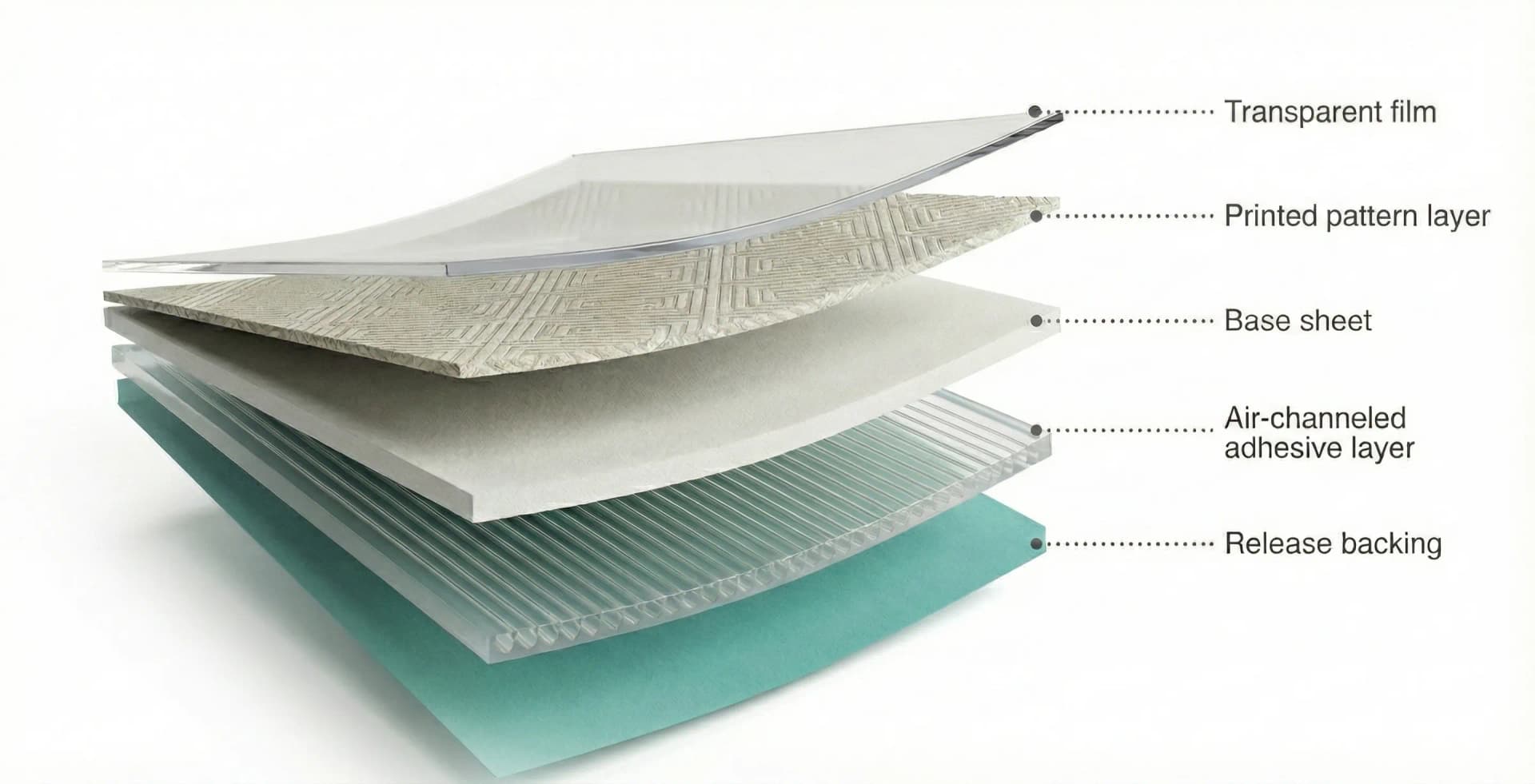
Moisture does not mean the finish is fragile. It means the edge details deserve the same practical care you would give caulk, grout, wood, or painted trim.
Mistake 3: Using Steam or High Heat to Clean
Steam cleaners are too aggressive for cabinet wrap maintenance. They combine heat and moisture at the exact areas where the finish needs stable adhesion.
Avoid directing steam at cabinet doors, drawer fronts, side panels, or wrapped surfaces beside appliances. Also avoid holding kettles, toaster ovens, or countertop appliances so close to cabinet edges that they repeatedly vent heat onto the same spot.
For material context, compare the 3M vs BODAQ vinyl wrap guide and the cabinet wrap lifespan guide.
Mistake 4: Ignoring Handle Areas
Handles and pulls collect hand oils, food residue, and cleaning-product residue. If those areas are ignored, grime can build up along the hardware and make the finish look older than it is.
Clean around handles regularly with a damp cloth, then dry the surface. If hardware is loose, tighten it carefully instead of letting it rub against the wrapped door.
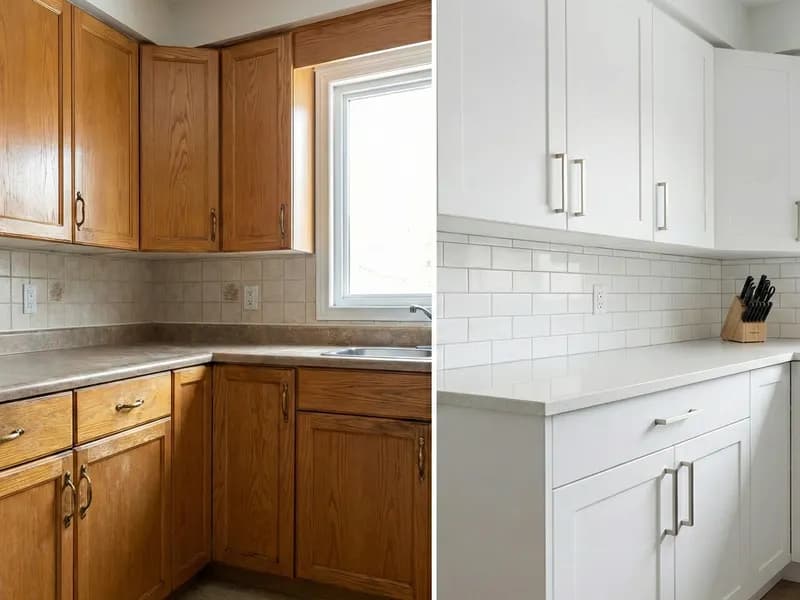
High-touch areas are not a special failure point when cared for properly. They are simply the spots that show daily habits first.
Mistake 5: Picking at a Lifted Edge
If an edge starts lifting, do not pull it, trim it, glue it casually, or keep testing it with your fingernail. That can turn a small repair into a larger panel issue.
Take a clear close-up photo and ask the installer what to do next. The right fix depends on where the lift is, what caused it, and whether the underlying surface is stable.
If the cabinet itself is peeling or failing before wrapping, read Can You Wrap Thermofoil Cabinets? before assuming film alone can solve the problem.
Mistake 6: Treating Every Finish the Same
Matte, gloss, wood grain, stone, metal, and textured films can show wear differently. Gloss reflects fingerprints and lighting more. Matte can show oily smudges if not wiped clean. Textured finishes need gentle cleaning so residue does not sit in the texture.
Choose care habits that match the finish:
| Finish type | Care note |
|---|---|
| Matte solid | Wipe fingerprints with mild soap, then dry |
| High gloss | Avoid abrasive cloths because fine scratches show more |
| Wood grain | Clean with the grain texture instead of scrubbing across it |
| Stone or metal | Avoid harsh chemicals that can dull the look |
| Textured film | Remove residue before it settles into texture |
Compare finish options in the matte wrap guide, wood grain guide, and textured wrap guide.
Mistake 7: Waiting Too Long to Ask About Damage
Small issues are easier to assess than large ones. If you notice lifting, cuts, bubbling, impact damage, or swelling near a sink, document it early.
That does not mean every mark is serious. It means you should avoid guessing with glue, heat, blades, or internet repair tricks before the cause is understood.
A Simple Weekly Routine
For most kitchens, the routine is straightforward:
- Wipe fingerprints and handle areas with a soft damp cloth.
- Use mild soap for grease spots.
- Dry sink, dishwasher, kettle, and coffee-station edges.
- Avoid abrasive pads and steam.
- Photograph and ask about any lifting or unusual damage.
That routine protects the areas that matter without making cabinet wrap feel high-maintenance.
Keep the Finish Looking Newer
Cabinet wrap is a practical renovation choice when the cabinet structure is sound and the household wants a fast surface refresh. Maintenance should be just as practical: gentle cleaning, dry edges, sensible heat habits, and early attention to damage.
For next steps, read the cleaning guide, compare wrapping vs replacement, or send kitchen photos if you are deciding whether your cabinets are a good fit.
Editorial Disclosure
This article was prepared with AI-assisted drafting and reviewed for practical accuracy against Armor Kitchen Wrap's Toronto cabinet wrapping service positioning.
Ready to Transform Your Kitchen?
Get an instant quote for your cabinet wrapping project. Upload photos and see your price in 60 seconds.
Get Your Free Quote