
How to Clean Vinyl Wrapped Kitchen Cabinets in Toronto

Vinyl wrapped kitchen cabinets are low-maintenance, but they are not maintenance-free. The finish lasts longest when it is cleaned with mild products, dried around moisture zones, and protected from unnecessary heat and edge damage.
For Toronto kitchens, the main issues are everyday cooking grease, condo ventilation, winter dryness, summer humidity, and high-use areas around handles, sinks, dishwashers, and ovens. A simple routine prevents most avoidable problems.
Quick Cleaning Rule
Use a soft microfibre cloth, warm water, and a small amount of mild dish soap. Wipe gently, rinse with a damp cloth, and dry the surface instead of leaving water sitting on cabinet edges.
Treat wrapped cabinets like a professional architectural finish, not like unfinished wood or tile. Gentle, regular cleaning is better than aggressive scrubbing after grease has built up.
Weekly Cleaning Routine
For most homes, a weekly wipe is enough:
- Mix warm water with a few drops of mild dish soap.
- Wipe cabinet fronts with a soft microfibre cloth.
- Pay attention to handle areas, drawer edges, and the cabinet above the stove.
- Rinse with a clean damp cloth.
- Dry with a second cloth, especially near seams and edges.
This routine works for matte, satin, wood grain, and most textured architectural films. High-gloss finishes may show fingerprints faster, so they often need lighter touch-ups between weekly cleans.
What to Avoid
Do not use:
- Abrasive pads or magic erasers
- Bleach, ammonia, acetone, paint thinner, or solvent cleaners
- Steam cleaners
- Powder cleansers
- Rough scrub brushes
- Heavy degreasers unless the installer confirms the product is safe for the film
These products can dull the finish, weaken edges, or damage the film surface. If a stain does not lift with mild soap, ask before escalating to stronger cleaners.
Grease Around the Stove
Cabinets near the stove collect airborne oil faster than the rest of the kitchen. Wipe these areas more often, especially if the range hood is weak or used inconsistently.
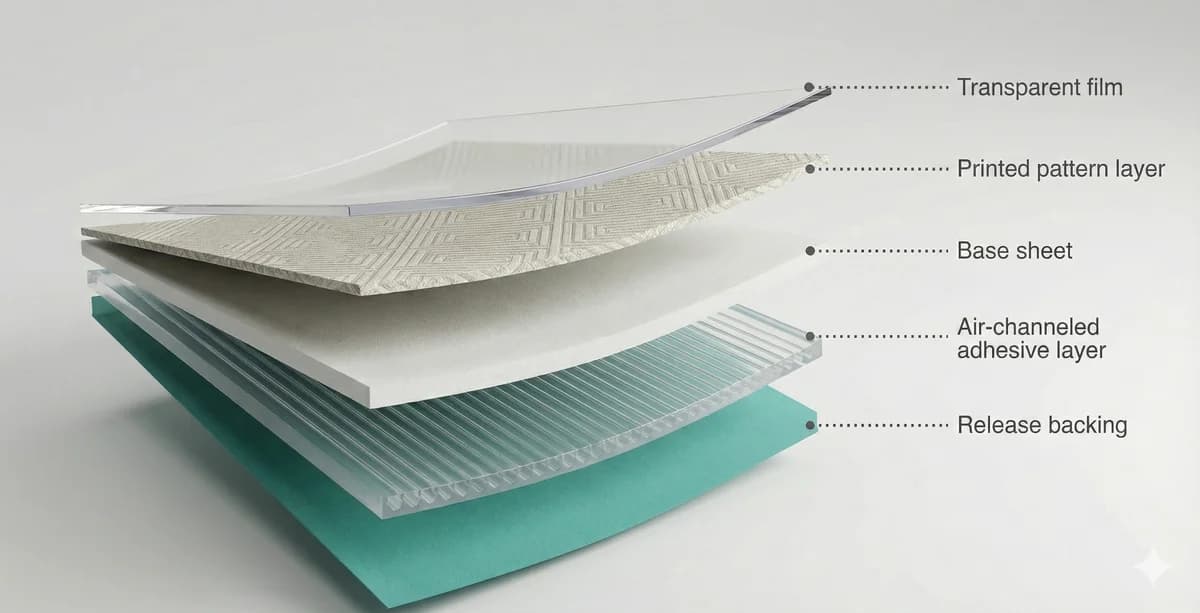
A good rule for Toronto condos: if the kitchen shares air with the living room and there is no strong exterior-vented hood, clean the stove-side cabinet faces every few days when cooking regularly.
Sink and Dishwasher Zones
Water is not a problem when it is wiped away. Sitting moisture is the issue.
After heavy dishwashing, sink use, or dishwasher steam, dry the cabinet edges around the sink base and dishwasher. Pay close attention to lower doors and drawer fronts because water often drips down from the counter edge.
If the underlying door is already swollen or damaged, wrapping may not be the right repair. See Can You Wrap Thermofoil Cabinets? for more detail on surface condition.
Heat Protection
Professional architectural films are made for real kitchens, but direct heat abuse still shortens the life of any finish. Keep kettles, toaster ovens, air fryers, and countertop grills from venting directly onto wrapped cabinet faces or underside panels.
If a small appliance throws heat upward, pull it forward during use or create more clearance. This is especially important under upper cabinets and beside pantry panels.
Matte vs Gloss Maintenance
Matte finishes hide small fingerprints well but can show oily smudges if they are rubbed with dirty cloths. Use clean microfibre and avoid over-polishing one spot.
Gloss finishes clean easily but show fingerprints and streaks faster. Use a damp cloth first, then dry with a clean cloth. Avoid circular scrubbing patterns that create visible streaks under bright kitchen lighting.
Wood grain and textured films are forgiving, but they should still be cleaned along the grain or texture direction where possible.
For finish comparisons, review Matte Solid Colour Kitchen Cabinet Wraps, Wood Grain Kitchen Cabinet Wraps, and High-Gloss Kitchen Cabinet Wraps.
When to Call the Installer
Contact the installer if you notice:
- Edge lifting
- Bubbling that was not there before
- Damage from a sharp object
- Heat marks near appliances
- Water swelling under the film
- A cleaner that left a cloudy patch
Do not pick at lifted edges. Early attention is easier to fix than a larger peel caused by repeated touching.
Maintenance Before Selling or Renting
If you are preparing a Toronto property for listing or turnover, clean the cabinets before photography. Grease, fingerprints, and streaks show up clearly in listing photos, especially on dark matte and high-gloss finishes.
For resale-specific planning, see Listing Prep Cabinet Wrapping for Toronto Realtors and Cabinet Wrapping vs Refacing in Toronto.
Keep the Finish Looking New
The best maintenance plan is simple: mild soap, soft cloths, regular stove-zone cleaning, and dry edges around water. That is enough for most wrapped kitchens to keep their finish looking clean for years.
If you are comparing finishes or checking whether your existing cabinets are a good fit, start with the kitchen cabinet wrapping service page, review cabinet wrapping cost in Toronto, or upload kitchen photos for a quote.
Editorial Disclosure
This article was prepared with AI-assisted drafting and reviewed for practical accuracy against Armor Kitchen Wrap's Toronto cabinet wrapping service positioning.
Ready to Transform Your Kitchen?
Get an instant quote for your cabinet wrapping project. Upload photos and see your price in 60 seconds.
Get Your Free Quote