
How Long Does Vinyl Wrap Last on Kitchen Cabinets? (Real Data)

If you're considering vinyl wrap for your kitchen cabinets, the biggest question on your mind is probably: how long will it actually last? The answer depends heavily on the quality of materials and installation. Professional-grade architectural vinyl wrap like BODAQ lasts 7 to 15 years when properly installed and maintained. Cheap DIY vinyl or contact paper typically degrades within 3 to 5 years, often showing peeling, bubbling, or discoloration much sooner.
We've installed hundreds of kitchen cabinet wraps across Toronto, and we've seen firsthand what makes the difference between a wrap that stays beautiful for over a decade and one that starts failing within months. In this guide, we'll break down exactly what affects vinyl wrap kitchen durability, how to spot the warning signs of failure, and what you can do to maximize your cabinet wrap lifespan.
Table of Contents
- DIY Vinyl vs Professional-Grade: Lifespan Comparison
- What Affects How Long Your Cabinet Wrap Lasts
- BODAQ vs Cheap Vinyl: The Durability Gap
- Signs Your Vinyl Wrap Needs Replacing
- How to Make Your Cabinet Wrap Last Longer
- Toronto Kitchen Conditions: What to Watch For
- Frequently Asked Questions
DIY Vinyl vs Professional-Grade: Lifespan Comparison
Not all vinyl wrap is created equal. Here's what you can realistically expect from different materials and installation approaches:
| Wrap Type | Expected Lifespan | Heat Resistance | Typical Issues | Best For |
|---|---|---|---|---|
| Contact Paper / Amazon Vinyl | 1-3 years | Poor (begins failing at 50°C) | Peeling edges, bubbling, discoloration | Temporary rentals only |
| Mid-Range DIY Vinyl | 3-5 years | Moderate (up to 70°C) | Inconsistent adhesion, visible seams | Short-term budget solutions |
| Professional Install (Generic Vinyl) | 5-8 years | Good (up to 90°C) | Eventually shows wear near heat sources | Cost-conscious renovations |
| BODAQ Architectural Film (Professional) | 7-15 years | Excellent (up to 120°C) | Minimal with proper maintenance | Long-term investment, high-use kitchens |
The difference comes down to three critical factors: film composition, adhesive quality, and installation precision. We've removed countless failed DIY wraps where homeowners spent their weekend struggling with bubbles and misaligned seams, only to see everything peel within a year.

What Affects How Long Your Cabinet Wrap Lasts
Kitchen cabinet wrap lifespan isn't random. Four main factors determine whether your wrap thrives for 15 years or fails in 15 months.
Film Quality and Construction
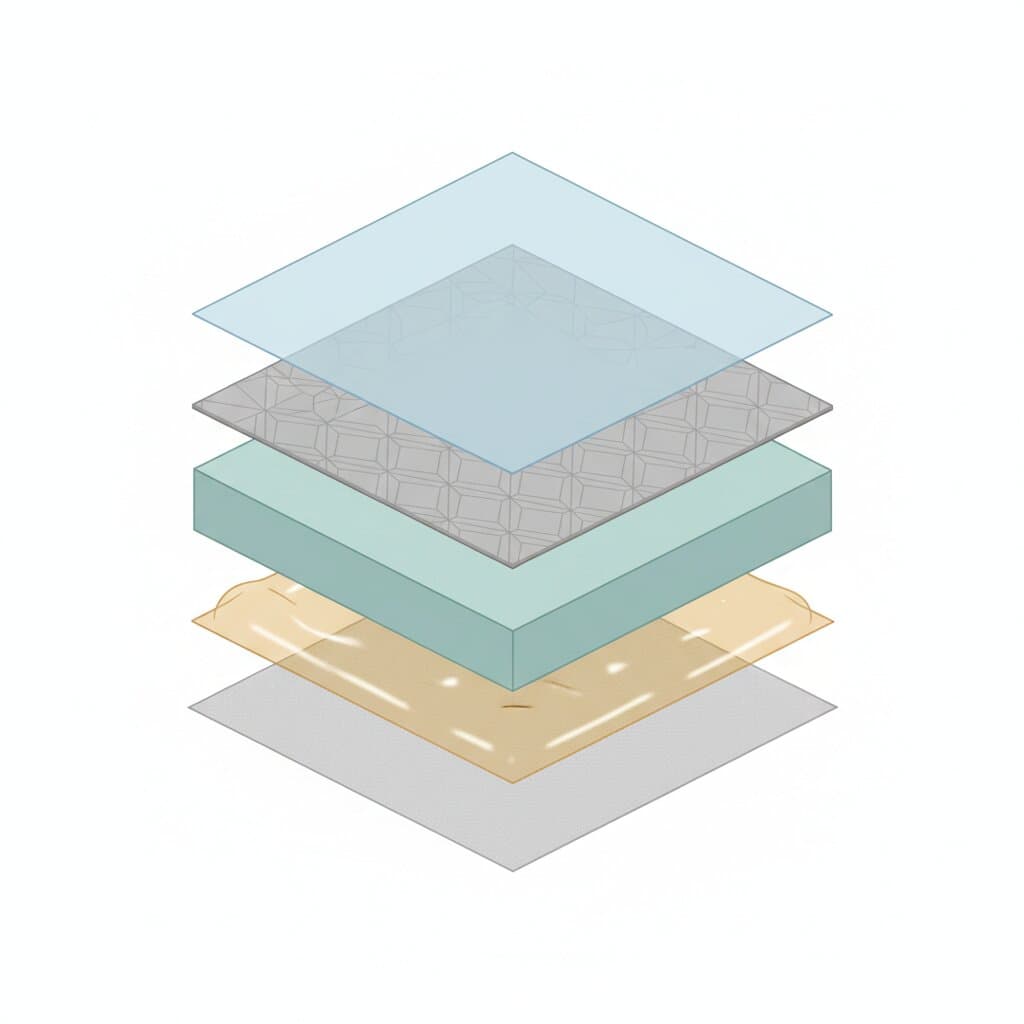
The architecture of the vinyl itself makes an enormous difference. Cheap vinyl is essentially printed plastic with basic adhesive. Professional architectural films like BODAQ use a 5-layer construction:
- Protective topcoat with UV inhibitors and scratch resistance
- Pattern layer with fade-resistant pigments
- Dimensional stability layer that prevents warping
- High-tack adhesive engineered for vertical surfaces
- Release liner that prevents adhesive degradation before installation
This construction means the film won't shrink, warp, or degrade when exposed to kitchen heat and humidity. Budget vinyl lacks most of these layers, which is why it fails prematurely.
Installation Quality
Even the best film fails if installed incorrectly. Professional installation ensures:
- Complete surface preparation — cabinets must be thoroughly cleaned, degreased, and primed
- Controlled environment — temperature and humidity affect adhesive bonding
- Proper technique — eliminating air pockets, achieving tight seams, and wrapping edges correctly
- Post-installation heat treatment — activating the adhesive for maximum bond strength
We see DIY attempts where the vinyl looks decent initially, but within months the edges lift because the adhesive never properly bonded. Proper edge wrapping and heat sealing are skills that require experience and professional tools.
Kitchen Conditions
Your kitchen environment directly impacts wrap longevity:
- Heat exposure — Cabinets near stoves, ovens, and dishwashers experience higher temperatures
- Humidity levels — Steam from cooking and dishwashing affects adhesive over time
- Direct sunlight — UV exposure causes fading and material breakdown
- Cooking residue — Grease and oil can degrade low-quality vinyl
Toronto kitchens face particular challenges. Our cold winters mean heating systems create dry indoor air, while summer humidity can be intense. This seasonal cycling stresses inferior materials.
Maintenance Habits
How you care for wrapped cabinets significantly affects their lifespan:
- Cleaning products — Harsh chemicals and abrasive cleaners damage the protective layer
- Cleaning frequency — Regular gentle cleaning prevents buildup that degrades vinyl
- Impact protection — Avoiding hard impacts and sharp objects prevents punctures
- Moisture management — Wiping up spills quickly and ensuring good ventilation
We've seen BODAQ wraps look nearly pristine after 10 years in kitchens where owners simply wiped them down regularly with mild soap and water. Conversely, even good vinyl fails early when exposed to aggressive cleaners or neglect.
BODAQ vs Cheap Vinyl: The Durability Gap
The performance difference between architectural-grade vinyl like BODAQ and budget alternatives is substantial. Here's what separates premium from cheap:
Heat Resistance That Actually Matters
BODAQ's 5-layer technology includes a heat-stabilized core that maintains integrity up to 120°C (248°F). This matters tremendously for cabinets adjacent to cooking appliances. We've installed BODAQ wraps directly beside professional-grade ranges, and they perform flawlessly year after year.
Cheap vinyl begins softening and losing adhesion at temperatures as low as 50-60°C (122-140°F). In a typical kitchen, the area around your stove easily reaches these temperatures during cooking. This is why budget vinyl inevitably shows bubbling and edge lift near heat sources.
UV Stability and Fade Resistance
BODAQ incorporates UV inhibitors throughout the film structure, not just in a surface coating. This means the color stays true for the entire lifespan. Budget vinyl uses surface-printed patterns that fade noticeably within 2-3 years, especially in kitchens with south-facing windows or skylights.
We've returned to Toronto kitchens we wrapped 8 years ago and found the BODAQ film color virtually unchanged, even on cabinets receiving direct afternoon sun.
Adhesive Engineering
The adhesive layer in BODAQ is specifically formulated for vertical surfaces and long-term bonding. It's designed to:
- Maintain tack across temperature extremes (-20°C to +120°C)
- Resist moisture penetration without trapping humidity
- Allow for removal without damaging substrate if needed years later
- Provide permanent bonding while remaining repositionable during installation
Budget vinyl adhesives are often borrowed from temporary applications. They either bond too aggressively initially (making installation difficult) or too weakly (leading to eventual peeling).
Dimensional Stability
BODAQ's construction prevents the shrinking and expanding that causes seams to open and edges to lift. The dimensional stability layer counteracts thermal expansion and moisture absorption.
Cheap vinyl lacks this technology. As it cycles through seasons in a Toronto kitchen, it literally shrinks and expands. Over time, this creates gaps at seams and causes edges to pull away from corners.
For a detailed technical comparison, see our guide on 3M vs BODAQ vinyl wrap.
Signs Your Vinyl Wrap Needs Replacing
Vinyl wrap cabinets don't fail overnight. Watch for these warning signs that indicate your wrap is nearing the end of its lifespan:
Edge Peeling and Lifting
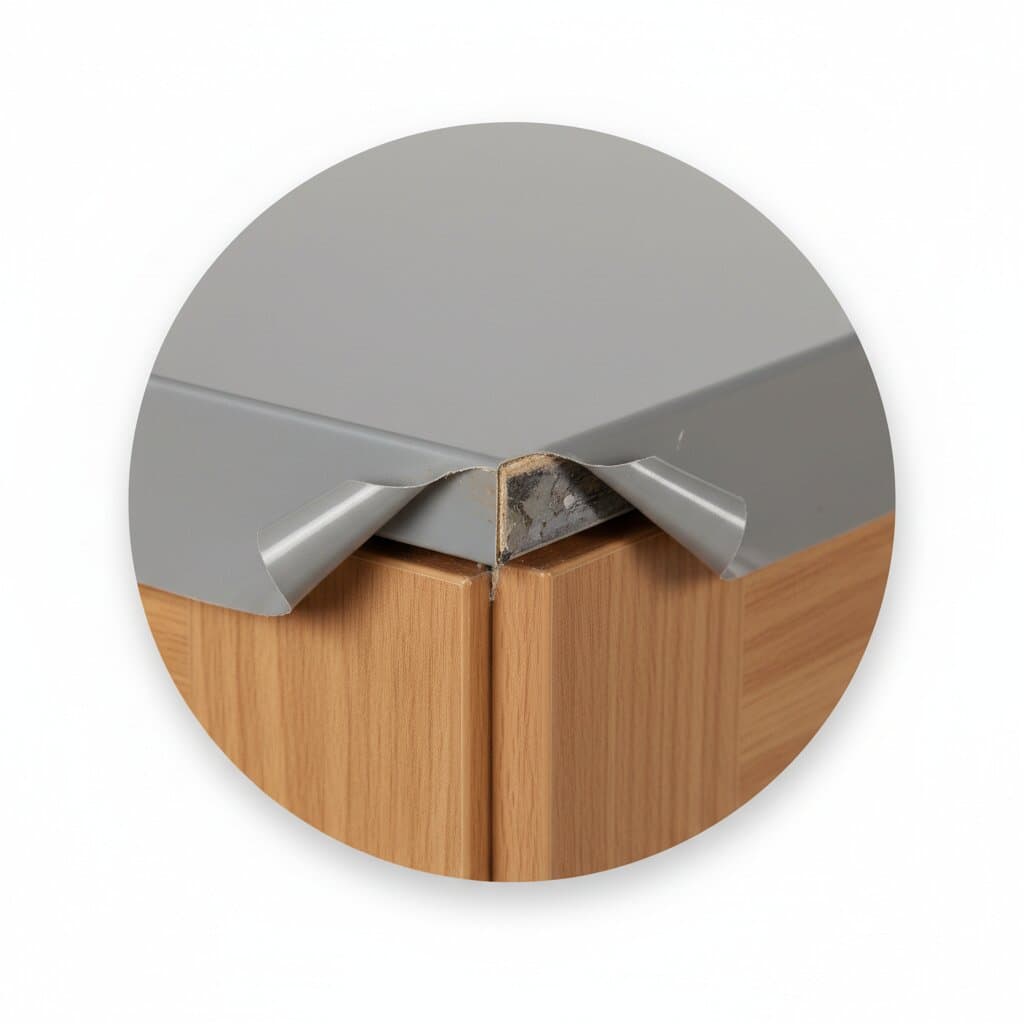
The earliest sign of failure is typically edges beginning to lift, especially:
- Around door and drawer handles
- At the top edges of upper cabinets
- Near the stove or other heat sources
- Along seams where two pieces meet
Small edge lifting (under 5mm) can sometimes be re-adhered with heat and pressure if caught early. Widespread edge failure means the adhesive has degraded and replacement is the only real solution.
Surface Bubbling
Bubbles forming under the vinyl indicate adhesive failure or moisture penetration. Small bubbles might be:
- Air pockets from poor installation (appear immediately)
- Heat damage causing local adhesive failure (near appliances)
- Moisture trapped beneath the surface (often near sink areas)
Large bubbles or bubbling that spreads progressively indicates the vinyl has separated from the substrate and won't re-bond reliably.
Discoloration and Fading
Color changes happen gradually but become obvious when you:
- Compare wrapped cabinets to original samples
- Notice uneven fading (sun-exposed vs protected areas)
- See yellowing or browning, especially near heat sources
- Observe the pattern becoming washed out or dull
Quality vinyl like BODAQ resists fading for many years. Noticeable discoloration within 3-5 years typically indicates low-quality film or excessive UV/heat exposure.
Surface Damage and Wear
Physical wear patterns include:
- Scratches that penetrate the protective layer
- Texture changes where the surface feels rougher
- Loss of sheen or gloss consistency
- Pattern layer showing through the topcoat
These usually appear in high-contact areas first: around handles, below the counter edge where you lean, and on frequently opened doors.
Adhesive Gumminess or Residue
If you notice sticky residue or the vinyl feeling gummy to touch, the adhesive is breaking down chemically. This often happens when:
- Low-quality vinyl is exposed to heat
- Harsh cleaners have degraded the film structure
- Moisture has penetrated and is reacting with the adhesive
At this stage, the vinyl will continue deteriorating rapidly.
How to Make Your Cabinet Wrap Last Longer
Maximizing your kitchen cabinet wrap lifespan comes down to consistent good practices. Here's what we recommend to all our clients:
Daily and Weekly Cleaning
Do:
- Wipe with a soft microfiber cloth and warm water
- Use pH-neutral dish soap for greasy areas (highly diluted)
- Dry surfaces after cleaning to prevent water spots
- Clean spills immediately before they set
Don't:
- Use abrasive scrubbing pads or brushes
- Apply ammonia-based or solvent cleaners
- Use "all-purpose" cleaners without checking compatibility
- Allow cleaning solutions to sit on the surface for extended periods
For detailed guidance, check our article on cabinet wrapping vs painting, which includes maintenance comparisons.
Heat Management
Protect vinyl near heat sources:
- Use exhaust fans while cooking to reduce heat buildup
- Consider heat shields behind the stove if cabinets are very close
- Avoid directing portable heaters toward cabinets
- Be mindful when opening ovens — don't let hot air blast directly onto cabinet doors
Even BODAQ's excellent heat resistance benefits from minimizing extreme temperature exposure.
Humidity Control
Toronto's variable climate makes humidity management important:
- Run exhaust fans during and after cooking
- Fix any plumbing leaks immediately (especially under-sink areas)
- Ensure dishwasher seals are intact
- Consider a dehumidifier if your kitchen tends to be very humid
- In winter, avoid over-humidifying your home
Consistent moderate humidity (40-60%) is ideal for vinyl wrap longevity.
Handle Gently
Reduce mechanical stress:
- Install soft-close hinges to prevent door slamming
- Use cabinet handles rather than pulling on the wrap surface
- Avoid setting heavy or sharp objects against cabinet faces
- Be careful with shopping bags, backpacks, and other items that might impact doors
Annual Inspection
Once yearly, examine your cabinets closely:
- Check all edges and seams for early lifting
- Look for any bubbling or texture changes
- Assess color consistency across all surfaces
- Test adhesion gently in high-stress areas
Catching small issues early often allows simple repairs that extend overall lifespan significantly.
Professional Refresh Options
If your wrap starts showing minor issues but isn't ready for full replacement:
- Edge re-sealing can address localized lifting
- Individual door or drawer re-wrapping is often possible
- Professional deep cleaning can restore appearance
- Protective treatments can extend life in specific problem areas
Toronto Kitchen Conditions: What to Watch For
Toronto's climate and typical kitchen designs create specific challenges for vinyl wrap durability. Being aware of these helps you take preventative measures.
Seasonal Temperature and Humidity Swings
Toronto experiences dramatic seasonal changes:
- Winter: Very dry indoor air from heating systems (often below 30% humidity)
- Summer: High humidity periods (frequently 70%+ on humid days)
- Spring/Fall: Rapid fluctuations as weather changes
This cycling stresses materials. The expansion and contraction that occurs challenges the dimensional stability of vinyl wrap. This is precisely why cheap vinyl fails quickly in our climate — it can't handle the stress.
Quality architectural film like BODAQ is engineered for these conditions, but even premium materials appreciate stable environments. Using a humidifier in winter and dehumidifier in summer helps maintain the 40-60% range that optimizes vinyl performance.
South-Facing Windows and UV Exposure
Many Toronto kitchens have large windows for natural light, frequently south-facing. While beautiful, this creates intense UV exposure:
- Direct sunlight several hours daily
- Reflected light from snow in winter (amplifying UV)
- Heat buildup on sunny days
Cabinets receiving direct sun are most vulnerable to fading and heat stress. Consider:
- UV-filtering window film for intense exposure situations
- Sheer curtains or blinds during peak sun hours
- Choosing lighter vinyl colors (show less fading than dark colors)
We always ask about window placement during consultations and factor this into material recommendations.
Near-Stove Heat in Compact Kitchens
Toronto homes, especially condos and older houses, often have compact kitchens where cabinets are necessarily close to cooking appliances. The cabinet directly above the stove experiences the most extreme conditions in your entire kitchen.
This is where film quality absolutely matters. We've seen cheap vinyl completely fail in this position within 6-12 months, while BODAQ installations show no issues after a decade.
If you have limited clearance above your range:
- Professional installation is critical (proper heat-resistant techniques)
- Use premium film only — budget vinyl will definitely fail
- Maximize exhaust fan use
- Consider a hood liner or heat shield for extreme situations
Condo HVAC Considerations
Toronto condos often have forced-air HVAC systems that create localized air currents:
- Cabinets near vents may experience temperature fluctuations
- Air flow can create dust accumulation patterns
- Some systems create very dry winter conditions
Position registers away from cabinet faces if possible, and maintain consistent temperature settings to minimize thermal cycling.
For Toronto-specific installation considerations, visit our main kitchen cabinet wrapping service page.
Frequently Asked Questions
Can you re-wrap cabinets that already have vinyl?
Yes. Old vinyl can be removed professionally, the surface prepared, and new vinyl applied. The key is ensuring complete removal of the previous adhesive and any residue. We've successfully re-wrapped many kitchens where homeowners had attempted DIY wraps that failed. The cabinets underneath are usually fine if the original substrate was solid. That said, removing old vinyl adds labor cost, so the overall project cost approaches installing wrap on bare cabinets.
Does vinyl wrap cabinets peeling mean the cabinets are damaged?
Not necessarily. Peeling typically indicates adhesive failure or poor installation, not substrate damage. If the cabinet surface underneath is solid wood, MDF, or laminate in good condition, it can be re-prepped and re-wrapped successfully. However, if moisture has penetrated through failing vinyl and reached the substrate (especially MDF), there may be swelling or damage that needs repair before re-wrapping.
How does vinyl wrap compare to paint for durability?
Quality vinyl wrap typically outlasts paint in high-use kitchens. Paint chips, scratches, and shows wear patterns within 5-7 years in most kitchens. Professional-grade vinyl wrap provides a harder, more impact-resistant surface that maintains appearance longer. Additionally, vinyl offers consistent color that doesn't fade like paint can. However, paint can be touched up easily, while vinyl damage usually requires replacing entire panels or doors. For a detailed comparison, see our article on cabinet wrapping vs painting.
Will vinyl wrap last as long on lower cabinets as upper cabinets?
Lower cabinets typically experience more wear. They endure more impacts (from knees, vacuum cleaners, dropped items), more contact (leaning while working), and exposure to floor-cleaning products. However, they also avoid some heat and steam exposure that upper cabinets near the stove face. With proper installation using quality materials, both should last 10+ years, but lower cabinets may show cosmetic wear slightly sooner. This is true for any cabinet finish, not unique to vinyl.
What warranty should I expect on professional vinyl wrap installation?
Reputable installers using quality materials like BODAQ typically offer 2-5 year warranties covering installation defects: peeling, bubbling, or adhesion failure that results from improper installation rather than damage or misuse. The vinyl manufacturer often provides separate material warranties (BODAQ offers 5-7 years on architectural film). Be wary of companies offering no warranty or extremely short coverage — it often indicates they're using subpar materials or techniques. Always get warranty terms in writing.
Can I install vinyl wrap myself and get the same lifespan?
Technically possible but unlikely. Professional installation addresses critical factors DIY can't easily replicate: climate-controlled environment, proper surface preparation and priming, professional heat tools for bonding and edge sealing, and experience avoiding common failure points. Even with quality materials, DIY installation typically achieves 60-70% of the lifespan of professional work. For small projects like a single cabinet or furniture piece, DIY can make sense. For full kitchen wraps, professional installation is a better investment. Our guide on DIY cabinet wrapping vs professional explores this in detail.
Browse Our Complete Finish Guides
The finish you choose affects both the look and longevity of your wrap. Explore each category:
- Matte & Solid Colour Wraps — Toronto's most popular, fingerprint-resistant finish
- Wood Grain Wraps — Realistic wood looks without the climate sensitivity
- Stone & Marble Wraps — Luxurious accent finishes
- Textured Wraps — Leather, linen, velvet, and more
- High Gloss Wraps — Sleek, reflective modern finishes
- Metal Finish Wraps — Brushed steel and bronze
Ready to Invest in Long-Lasting Cabinet Transformation?
Kitchen cabinet vinyl wrap offers exceptional durability when done right — 7 to 15 years of beautiful, low-maintenance cabinets at a fraction of the cost of replacement. The key is choosing quality materials like BODAQ architectural film and professional installation that ensures proper bonding and longevity.
We've wrapped hundreds of Toronto kitchens and stand behind our work because we use materials and techniques that deliver lasting results. If you're ready to transform your kitchen with cabinet wrap that will truly last:
Get Your Free Quote — Schedule a consultation and see samples in your kitchen
Calculate Your Investment — Use our cost calculator to estimate your project
With proper materials, expert installation, and basic maintenance, your wrapped cabinets will look stunning for over a decade. That's real value for your kitchen renovation investment.
Ready to Transform Your Kitchen?
Get an instant quote for your cabinet wrapping project. Upload photos and see your price in 60 seconds.
Get Your Free Quote