
Cabinet Wrap Quote Red Flags Toronto Homeowners Should Catch Early

A cabinet wrap quote should tell you more than a price. It should explain what is being wrapped, what condition the cabinets need to be in, what material category is being used, and what could change the final scope.
That matters in Toronto kitchens because many projects start with photos. A compact condo kitchen, an older thermofoil kitchen, and a rental turnover can all look simple until the edges, sink base, side panels, or appliance zones are checked properly.
Quick Verdict
Be cautious if a quote gives a number without asking for enough photos, avoids surface-condition questions, or treats cabinet wrapping like generic peel-and-stick vinyl. A good quote should make the assumptions visible before anyone books installation.
A low quote is not useful if it ignores damaged doors, exposed panels, heat zones, or the actual finish being installed.
Red Flag 1: The Quote Only Counts Doors
Door count matters, but it is not the full job. A finished kitchen usually includes drawer fronts, side panels, filler strips, toe kicks, island backs, fridge gables, pantry sides, and sometimes visible cabinet frames.
If the quote is based only on the number of doors, ask what happens to the non-door surfaces. In open-concept Toronto condos, old exposed panels can stand out from the living area even when the doors look new.
For photo planning, use the cabinet wrap quote photo checklist. For broader pricing context, compare the cabinet wrapping cost page and the 2026 Toronto cost guide.
Red Flag 2: No One Asks About Edges
Edges are where cabinet wrapping succeeds or fails. The installer should want to see door edges, high-touch handle areas, corners, and any spots where the existing surface is peeling or lifting.
This is especially important with older thermofoil doors. If the original finish is loose, the prep plan may change. Sometimes the old layer needs attention before architectural film can bond cleanly.
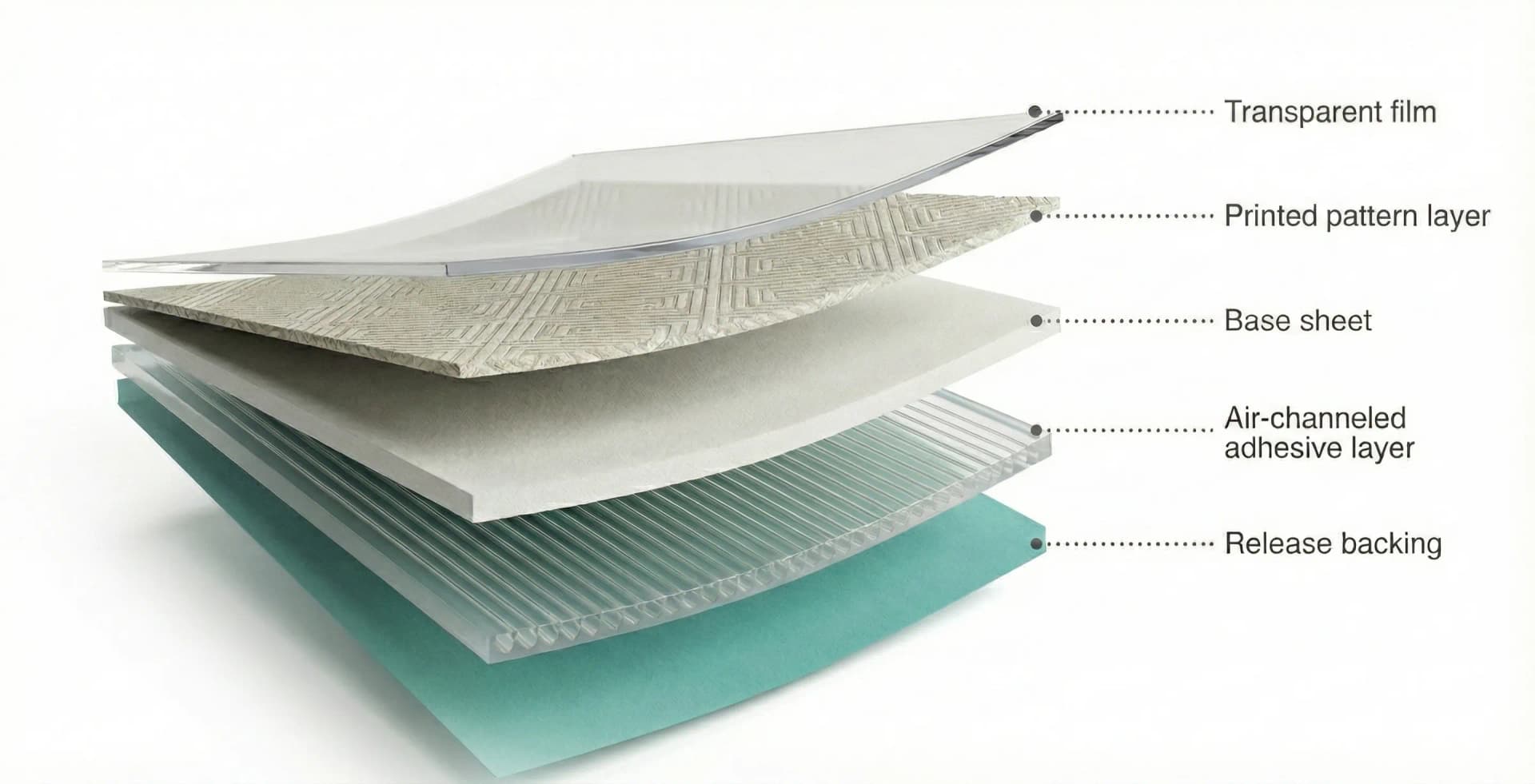
If edge condition is ignored during quoting, the price may look clean but the installation risk is being pushed into the schedule.
Red Flag 3: Material Is Described Too Vaguely
The phrase vinyl wrap can mean very different things. Kitchen cabinet wrapping should use architectural-grade film that is selected for interior surfaces, not craft vinyl or a temporary decorative sheet.
Ask what finish category is being quoted: matte solid colour, wood grain, gloss, stone, metal, or textured film. The choice affects appearance, availability, cost, and how visible fingerprints or reflections may be.
Useful finish guides:
- Matte solid colour cabinet wraps
- Wood grain cabinet wraps
- High gloss cabinet wraps
- 3M vs BODAQ vinyl wrap comparison
Red Flag 4: Damage Is Not Discussed
Cabinet wrapping is a surface upgrade, not a structural repair. Swollen MDF, water-damaged sink bases, cracked corners, warped doors, and failing thermofoil need to be discussed before the quote is treated as final.
This does not always mean wrapping is impossible. It means the quote should clearly state whether repair, replacement, stripping, or a different recommendation may be needed.
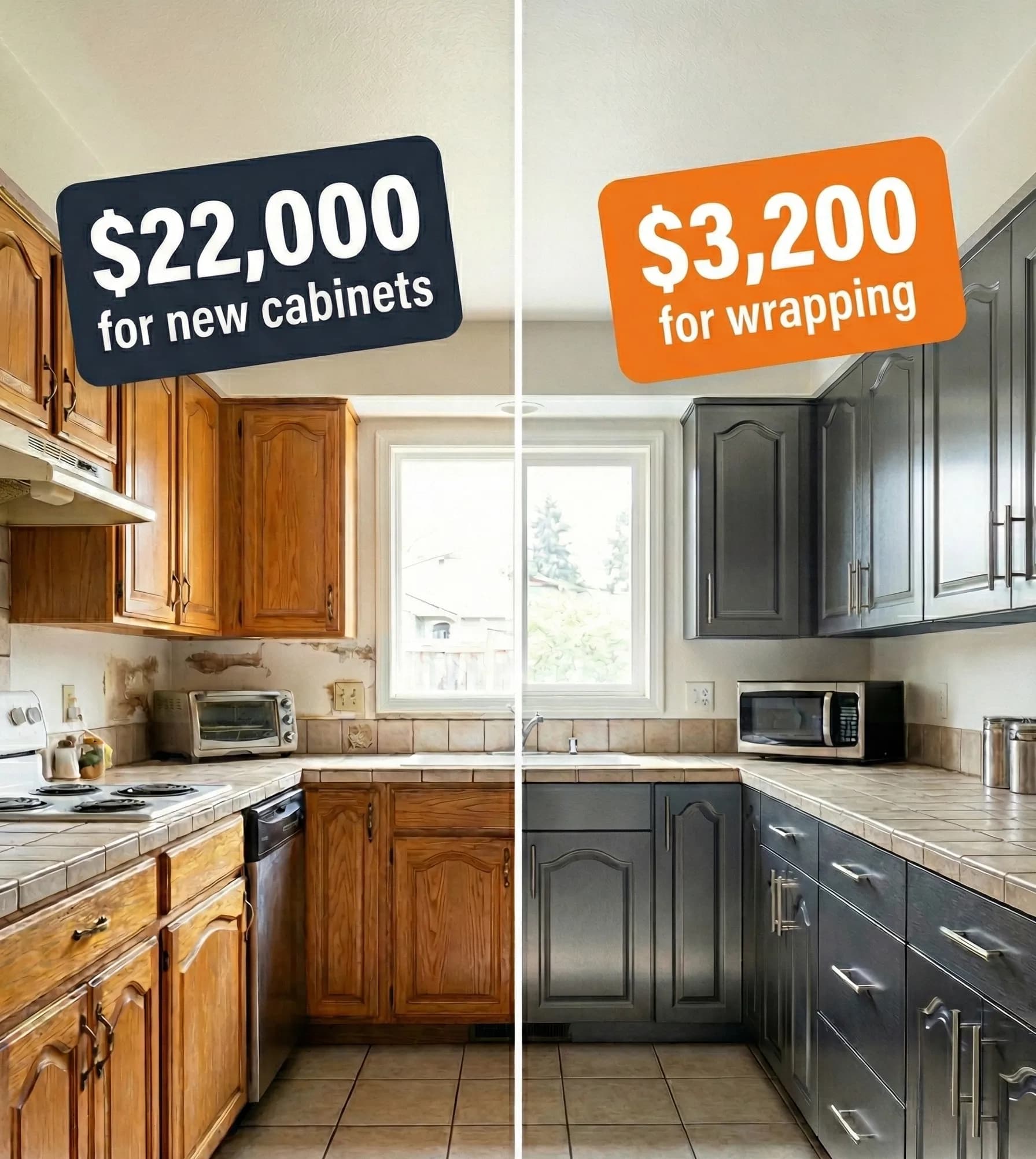
If the kitchen has visible damage, send close-ups early. Hiding the problem usually creates a worse surprise later.
Red Flag 5: Timeline Sounds Too Certain Before Photos
Many cabinet wrap installations are fast once the scope is confirmed, but the timeline still depends on surface condition, material selection, access, and scheduling.
Condo projects may also need elevator booking, parking access, loading rules, and permitted work hours. A quote that promises a fixed installation window before reviewing the kitchen is probably skipping details.
For timeline expectations, read the kitchen cabinet wrap timeline guide and the condo cabinet wrap cost guide.
Red Flag 6: No Clear Scope Boundary
A useful quote should say what is included and what is excluded. Common scope questions include:
- Are cabinet frames included?
- Are island backs and side panels included?
- Is hardware removal and reinstallation included?
- Are toe kicks and valances included?
- Are repairs or stripping included?
- What happens if damage is found during prep?
The point is not to make the quote complicated. The point is to prevent the common misunderstanding where the homeowner expects a complete visible refresh and the quote only covers doors.
Red Flag 7: The Quote Does Not Compare Alternatives Honestly
Wrapping is not always the right answer. If the boxes are unstable, the layout does not work, or the doors are badly damaged, replacement or refacing may be the better spend.
A credible cabinet wrap quote should be willing to say that. It should help you compare wrapping against painting, refacing, and replacement based on the condition of the actual kitchen.
Start with cabinet wrapping vs replacement, cabinet wrapping vs refacing, and cabinet wrapping vs painting.
What a Better Quote Looks Like
A strong quote starts with clear photos, asks about surface condition, identifies the visible surfaces, names the finish category, and flags assumptions. It should give enough information to decide whether wrapping is a good fit before anyone commits to a renovation path.
The fastest way to get there is simple: send wide kitchen photos, close-ups of edges, appliance-zone shots, and damage photos if any exist.
Use the photo checklist, compare the cost guide, or upload your kitchen photos for a practical fit check.
Editorial Disclosure
This article was prepared with AI-assisted drafting and reviewed for practical accuracy against Armor Kitchen Wrap's Toronto cabinet wrapping quote process.
Ready to Transform Your Kitchen?
Get an instant quote for your cabinet wrapping project. Upload photos and see your price in 60 seconds.
Get Your Free Quote